Tag: planned giving

An image of giving money that will grow similar to a Charitable Remainder Trusts.
Planned Giving Marketing

Joshua Keleske

Charitable Remainder Trusts

Charitable Remainder Trusts (CRTs) offer a tax-efficient method to support charities while preserving income. Donors transfer appreciated assets into a Charitable Remainder Annuity Trust (CRAT) or Unitrust (CRUT), gaining immediate income tax deductions and avoiding capital gains taxes. These trusts provide fixed or variable payments during retirement, allowing donors to maintain their lifestyle. They also enable wealth transfer with reduced gift or estate taxes, making CRTs an attractive option for long-term charitable and financial planning.


Read More »
Bronze sundial casting a long shadow on stone, symbolizing timelessness and enduring values in fundraising.
Stewardship and Relationships
Viken Mikaelian

Why Timeless Fundraising Strategies Crush Fads, Gimmicks, and Quick Fixes

Trendy fundraising tactics come and go—usually with little to show for it. The nonprofits that win big gifts and long-term loyalty understand one thing: donors are deciding if you’re worthy of their legacy. This article pulls no punches. It’s a call to abandon gimmicks and build something lasting. If you’re serious about donor trust, planned giving, long-range impact—and your career—this isn’t just another blog post. It’s your wake-up call.

Read More »
Neglected boat stranded on dry land — a visual metaphor for abandoned nonprofit blogs and missed legacy opportunities
Planned Giving Marketing
Viken Mikaelian

The Silent Killer on Your Website: Your Blog

A bad blog doesn’t just look lazy—it proves it. In the world of planned giving, where trust and credibility matter most, an outdated or lifeless blog can quietly sabotage donor confidence. Learn why showing up halfheartedly online is worse than not showing up at all—and how to fix it before it costs you.

Read More »
What every modern fundraiser thinks they need to become after addressing a donor as “Mr.” instead of “Dr.”. Spoiler: You don’t.
Planned Giving Marketing
Viken Mikaelian

Don’t Apologize. Cash the Check.

Originally Published September 16, 2010. Updated for January, 2025. Apology Not Accepted: Why You Shouldn’t Beg for Forgiveness in Fundraising A few years back, I

Read More »
Planned Giving Marketing
Viken Mikaelian

Let’s Talk About Love

I’ve been in the planned giving marketing industry for 25 years, and for 25 years I’ve been saying that planned giving is a people business. If you love people, you will go far in planned giving (and in your career).

Read More »
A picture of the word "Bequests" above two thought bubbles containing the words "Do's" and "Don'ts," to illustrate a PlannedGiving.Com blog about securing estate gifts and securing bequests for your planned giving program.
Planned Giving Marketing
Jonathan Gudema

Estate Gifts Do’s and Dont’s

Estate gifts, also known as planned or legacy gifts, are a vital component of many nonprofits’ fundraising strategies. Soliciting bequests or estate gifts can significantly impact an organization’s financial sustainability and long-term success. However, soliciting estate gifts requires a delicate and thoughtful approach to ensure that donors feel respected, valued, and inspired. Here are some essential Dos and Don’ts to guide your nonprofit’s fundraising and planned giving efforts.

Read More »
Estate Planning Goals Illustration: property disposition, charity, life insurance, living will, trust, succession planning
Planned Giving Marketing
Viken Mikaelian

Importance of Estate Planning: Why You Need an Estate Plan

Let’s face it: Estate planning isn’t exactly a dinner table conversation starter. But trust me, it’s one of those adulting tasks that’s way more important than we often give it credit for. So, what’s all the fuss about?

Read More »
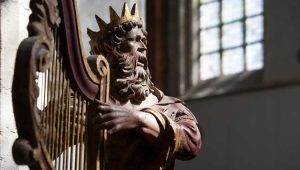
King David playing the harp
Faith Based Giving
Jerry Rohrbach

King David’s Planned Gift Built The First Temple

In anticipation of this great construction project, King David accumulated immense quantities of gold, silver, bronze, precious stones and exotic woods. Then, knowing he was serving a higher power, he bequeathed those assets to his son Solomon, along with God’s instructions for the design of the temple. (Even in Biblical times, donors were particular about how their planned gifts could be used …)

Read More »